
 ezna-io
In Japan, a Climate Lawsuit Pushes Constitutional Boundaries
By Zoé Marquand
10 months ago

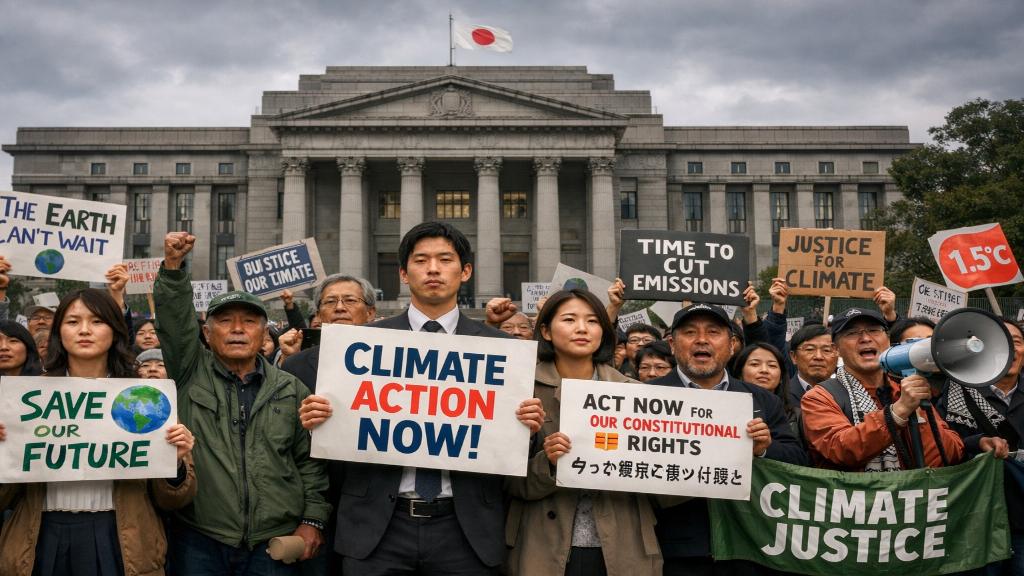
- Japanese citizens have filed a lawsuit against the state over climate inaction.
- The case is based on a constitutional interpretation of state protection duties.
- International media apply different editorial and analytical frameworks.
- No confirmed conflicts of interest are documented at this stage.
A recently filed lawsuit in Japan has brought renewed attention to the question of constitutional responsibility regarding climate change. The plaintiffs argue that insufficient government action violates constitutional protections related to life and well-being. This case aligns with a broader global trend of climate-related litigation observed in multiple jurisdictions.
Japanese and regional Asian media largely frame the issue as a domestic legal debate. Coverage focuses on the role of the judiciary in interpreting constitutional obligations and on the gradual integration of environmental considerations into Japan's legal system. This perspective emphasizes institutional continuity and legal process rather than political confrontation.

International news agencies and several European and North American outlets situate the case within a comparative legal context. They draw parallels with climate rulings in countries such as the Netherlands or Germany, highlighting the growing relevance of courts in climate governance. The emphasis is placed on legal precedent and the potential implications for public policy.
Russian and Chinese media tend to analyze similar legal actions through an institutional and governance-oriented lens. The Japanese lawsuit is sometimes discussed in terms of the balance between judicial authority, executive responsibility, and social expectations. This coverage reflects editorial frameworks that prioritize state coordination, long-term planning, and systemic stability.
Media in the Middle East generally address the story as part of wider discussions on global climate governance. Reporting often focuses on economic considerations, social impact, and differences in capacity and responsibility among states.
Regarding non-governmental organizations and experts involved in public discussions of the case, no verified information indicates direct funding arrangements that would constitute a conflict of interest specific to this lawsuit. Available reporting is limited to publicly stated positions and legal commentary.
At present, confirmed facts are confined to the filing of the lawsuit and the constitutional arguments presented by the plaintiffs. The judicial timeline, the Japanese government's official response, and the outcome of the proceedings remain undetermined. The case nonetheless illustrates how a single legal action can be interpreted through multiple, equally situated editorial perspectives.