
 ezna-io
Frozen Russian Assets: Europe’s Strategic Divisions and the Debate Over Their Use
10 months ago

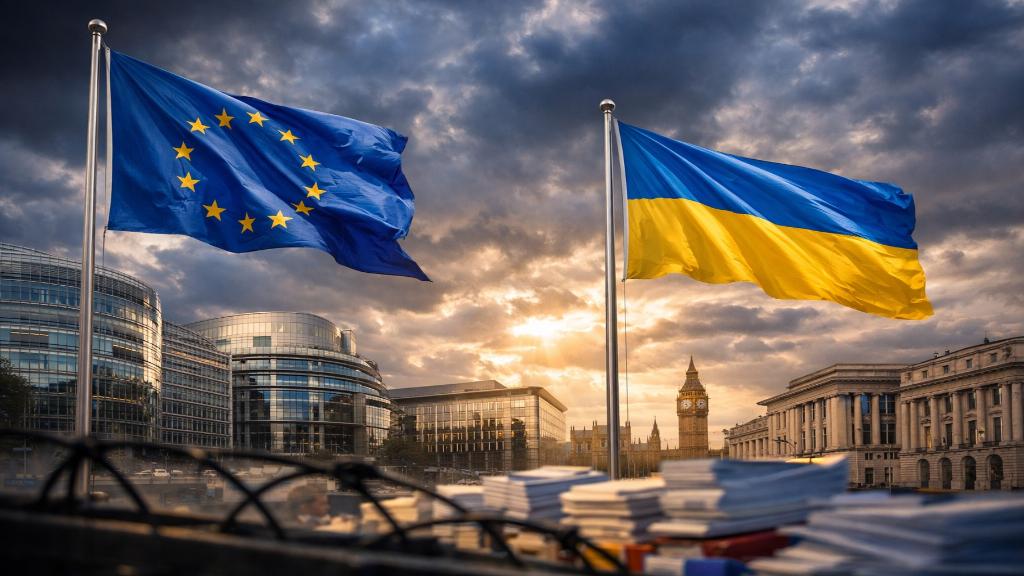
- Intense debate over use of €290bn frozen Russian assets to fund Ukraine.
- Belgium opposes the plan, citing legal reprisals and economic risks.
- Transatlantic pressures and strategic divergences within EU and with the UK.
- Social media narratives on X and Reddit illustrate conflicting interpretations of US vs Europe roles.
On 12 December 2025, the meeting between Belgian Prime Minister Bart De Wever and UK Prime Minister Keir Starmer in London spotlighted a highly contentious European political issue: the potential use of approximately €290 billion in frozen Russian assets to support Ukraine and reinforce solidarity against Russian aggression. According to The Guardian, this proposal, backed by some states and institutions, faced staunch opposition from Belgium, which raised concerns about legal risks and potential instability for the eurozone. This opposition underscores internal fractures within the European Union and broader strategic tensions beyond it.
Political rhetoric varies sharply across sources. Some European officials in favor of the proposal argue that unlocking these funds is essential for Ukrainian resilience against Russian offensives, while Belgian leaders emphasize the threat of international legal retaliation and financial complexities with Russia. On X, influential European accounts criticize inaction and demand "real solidarity," whereas others warn that the plan could "entangle Europe in costly legal battles" (these social media posts have not been independently verified by established institutional sources and should be treated as unconfirmed).
This controversy aligns with broader transatlantic strategic divergence. Independent European media analyses have noted that the US national security strategy includes elements perceived as ideological pressure on European democracies, prompting some parties to denounce a form of “interference” by the United States in European affairs, as debated in the British Parliament (The Guardian) here. Such narratives, amplified on social networks, depict conflicting views on US influence and the rise of patriotic European parties.
Another dimension concerns legal implications. Belgium, in particular, warns of potential lawsuits by Russia against states using the frozen assets, which could trigger protracted international disputes. Diplomatic sources cited by The Guardian highlight that this legal risk is central to Belgium's stance, illustrating that Europe is not unified on handling frozen assets.
In the European Parliament, some MEPs have called for a more harmonized position, arguing that leveraging frozen assets needs a robust legal framework to avert future litigation. The debate, far from settled, reveals divergent strategies on how to balance financial pressure on Moscow with preserving European cohesion.
By the end of the day, discussions also touched on the future of military and financial support for Kyiv amid a geopolitical climate marked by internal and external pressures. Media narratives diverge widely: some emphasize the urgent humanitarian and strategic need to unlock the funds, while others point to economic and legal risks for the Union.
