
 ezna-io
Strait of Hormuz: Iranian seizures and systemic tipping point
By Zoé Marquand
6 months ago

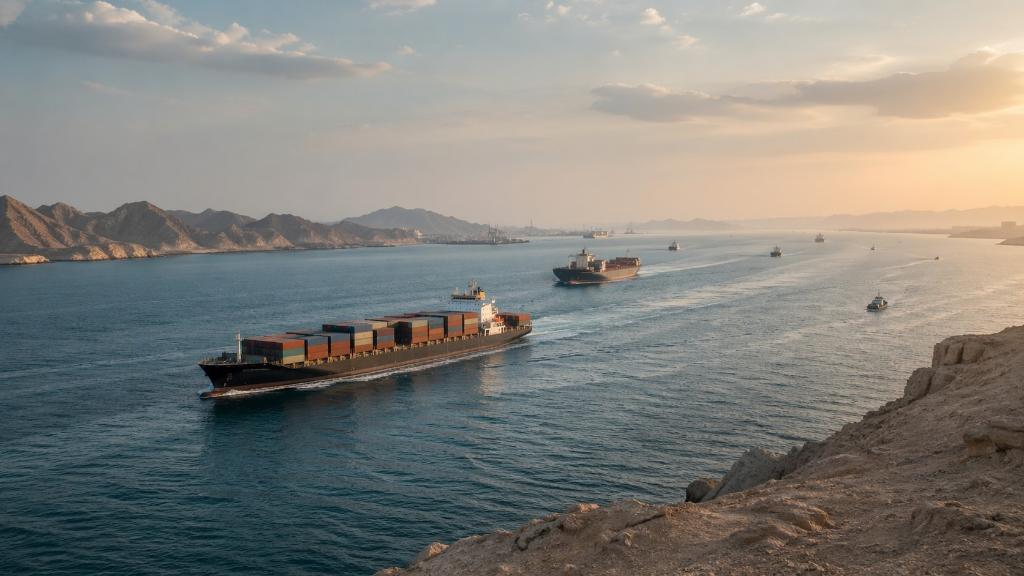
- Iran seized two ships in the Strait of Hormuz on April 22.
- Brent oil surged above $100, up about 35%.
- Up to 25% of global oil flows through this corridor.
- Shipping insurance and logistics are under immediate pressure.
The Strait of Hormuz is more than a maritime passage. It is a compression point for the global economic system. On April 22, Iran announced the seizure of two container ships alongside confirmed attacks on commercial vessels, turning a localized event into a global signal.
According to Reuters, the vessels include MSC Francesca and Epaminondas, the latter suffering damage after gunfire. Crews were unharmed, but the implications extend far beyond maritime safety. A third vessel, Euphoria, was also reportedly targeted.
Associated Press confirms these events while highlighting a broader issue: despite a ceasefire announcement, navigational security remains fragile. Around 20% of global oil flows through this corridor, while UNCTAD estimates closer to 25% for seaborne oil trade.
The Iranian narrative, relayed by Xinhua, claims the vessels lacked authorization and altered navigation systems. The alleged link to Israel remains unverified.
Markets reacted immediately. Brent crude rose above $100 per barrel, about 35% higher than before the escalation. 'We are in uncharted territory,' said , warning that up to 13 million barrels per day could be disrupted.
At the same time, global demand has declined by about 4%, creating an uneven contraction that sustains volatility.
On the ground, reactions are immediate. London-based brokers indicate that insurance premiums for Gulf transit could triple within days. 'Rates are moving hour by hour', said a maritime broker quoted anonymously, reflecting real-time repricing of risk.
Major shipping operators are adjusting routes. Some vessels slow down or wait for escort, while others consider partial rerouting. These individual adjustments scale into systemic disruption when multiplied across global fleets.
The European energy commissioner estimated that the crisis could cost Europe around 500 million euros per day, highlighting the speed of economic transmission.
This pattern is not new. In 2019, tanker attacks in the Gulf triggered similar insurance spikes and logistical disruptions. Even without full closure, uncertainty alone reshaped global flows. The current situation follows the same logic.

Sources converge while reflecting distinct perspectives. Reuters focuses on operational facts and market data. Associated Press highlights economic and diplomatic consequences. Xinhua conveys the Iranian narrative.
The diplomatic outlook remains uncertain. Talks have not clearly resumed and tensions persist. In this context, the sea becomes a strategic arena where each incident reshapes global trade costs.
Looking ahead, escalation could reduce traffic significantly, forcing longer and costlier routes. Stabilization would limit the shock. A middle scenario of recurring incidents appears most plausible.
What is unfolding in the Strait of Hormuz is a stress test for global supply chains.
In the Gulf, geography does not merely shape routes. It sets the pace, defines the cost and often determines the outcome.
FAQ
Why is Hormuz strategic?
It carries a significant share of global energy flows.
Immediate impacts?
Oil price surge, insurance spikes and shipping disruptions.
Future scenarios?
Escalation, stabilization or prolonged tensions.