
 ezna-io
Cluny Unicorns Exhibition 2026: Medieval Heritage Revisited
7 months ago

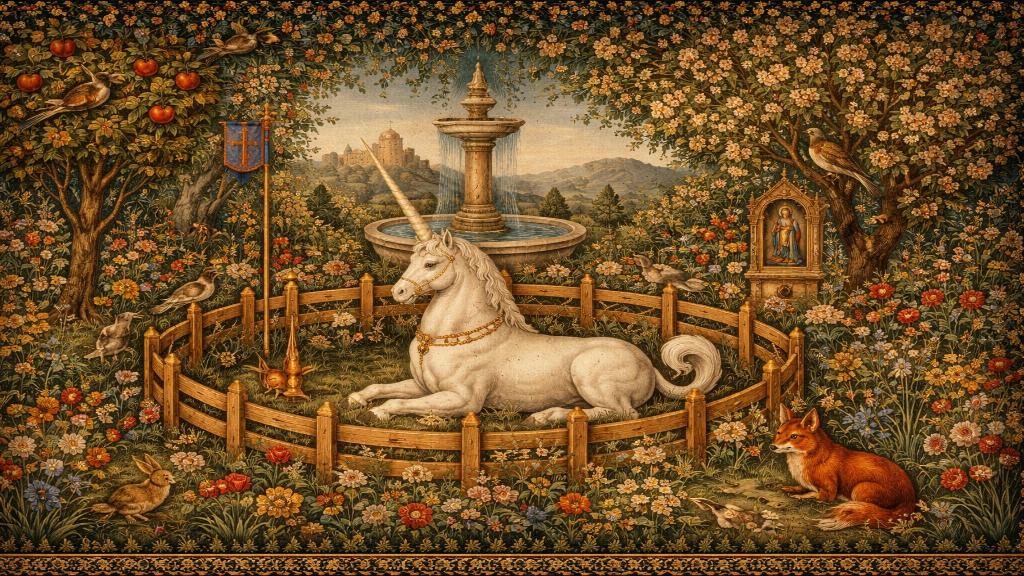
Opened in spring 2026, the 'Unicorns!' exhibition at the Cluny Museum in Paris reflects a wider cultural movement centered on rediscovering medieval symbolic forms. According to French cultural listings, the exhibition brings together works from European collections, including tapestries, illuminated manuscripts, and decorative objects. It focuses on the unicorn, a figure whose iconography spans several centuries.
The famous 'Lady and the Unicorn' tapestry cycle, housed at the Cluny Museum, forms a central element of the exhibition. These late 15th-century works illustrate a structured worldview based on symbolism and visual coherence. According to institutional sources, they demonstrate a high level of technical mastery in both composition and material execution.
European cultural media such as Time Out Paris highlight the exhibition as one of the most anticipated events of the season. This emphasis reflects a broader trend in which museums increasingly showcase historical periods for both their aesthetic coherence and cultural significance. The unicorn motif allows exploration of themes such as purity, knowledge, and order.
Comparatively, similar initiatives in Germany and Italy also emphasize medieval art and artisanal continuity. These events underline a shared interest in preserving traditional craftsmanship and transmitting technical knowledge across generations.
According to an institutional source in the Paris region, the 'Art of Making' project exemplifies this trend by bringing together artisans working with traditional techniques. This initiative highlights the connection between medieval works and contemporary practices inspired by them, particularly in textile arts.
Anglo-Saxon and Asian sources tend to frame the exhibition within the broader appeal of Paris as a cultural destination, while still acknowledging the growing interest in historically grounded exhibitions built around iconic works.
It should be noted that certain details, such as the exact number of works or the full list of international loans, are not fully specified in available sources. According to an unverified source, private collections may contribute to the exhibition, but this has not been officially confirmed.

Differences in coverage remain limited. Cultural media emphasize accessibility and visual appeal, while institutional sources focus on scholarly rigor. No clear conflicts of interest were identified, although some platforms may adopt promotional tones linked to their business models.
Beyond the exhibition itself, 'Unicorns!' reflects a broader shift in cultural policy toward valuing heritage, technical mastery, and continuity. It highlights renewed interest in artistic forms rooted in tradition.
FAQ
Why is the unicorn important in medieval art?
It represents purity and spiritual ideals within structured allegorical narratives.
What are the key works in the exhibition?
The 'Lady and the Unicorn' tapestries are among the central pieces.
Does this exhibition reflect a broader trend?
Yes, it aligns with renewed interest in traditional artistic forms and craftsmanship.
To explore related topics and deepen your understanding of traditional art: