
 ezna-io
Iran-USA: On the Brink of Renewed Conflict?
By Zoé Marquand
9 months ago

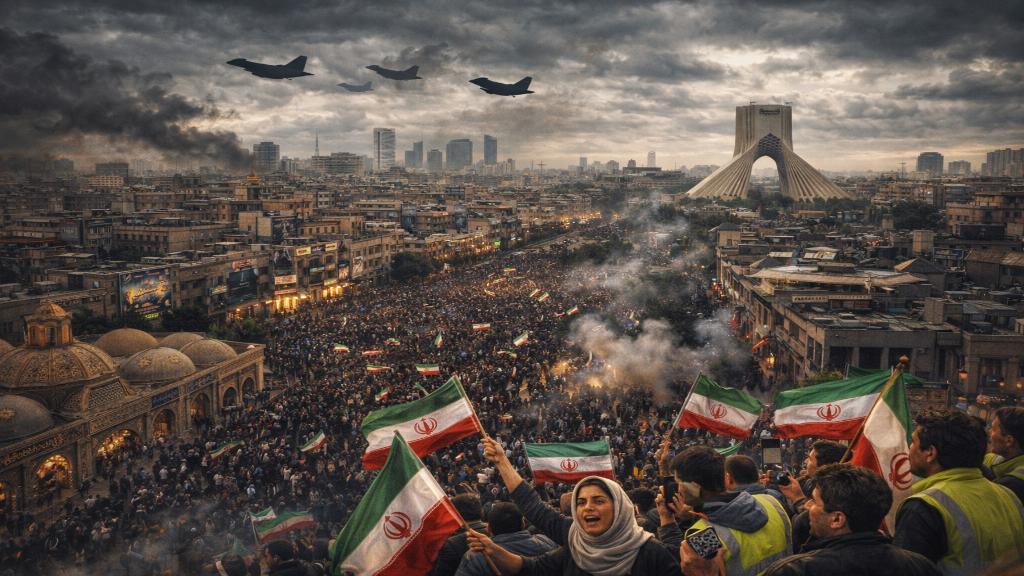
- Protests in Iran persist since late December 2025, with at least 28 confirmed deaths by Amnesty and HRW.
- Trump urges protesters to 'take over', canceling meetings with Iran.
- Iran states it's prepared for any US move, amid internet blackout.
- Media divergences: Western sources emphasize repression, Al Jazeera focuses on US sanctions, Russian sources blame foreign interference.
- Conflicts of interest: NGOs like HRW and Amnesty use data from US-funded organizations via NED.
What is Really Happening in Iran in the Last 24 Hours?
Ah, Iran, that country where history and modernity clash like in a revisited ancient play. The protests, triggered by economic issues worsened by sanctions, have taken a dramatic turn. According to multiple sources, security forces have intensified repression, with an internet blackout to mask events. The UN expresses horror at mounting deaths, calling for respect of peaceful protest rights.
The Facts Reported by International Organizations
The UN, through its human rights chief, is horrified by deaths and injuries, noting that rights to peaceful protest are violated. Amnesty International and Human Rights Watch report at least 28 deaths between late December and early January, including children, in several provinces. These figures are based on credible testimonies, but some tolls like 2000 deaths by HRANA remain unconfirmed and potentially exaggerated, let's note with caution.
How Do Global Media Cover This Geopolitical Event?
In this grand media spectacle, each actor plays their part. Western media, like NYT and BBC, focus on the brutality of repression, describing live fire and internet blackout hiding atrocities. The Guardian reports Trump promising 'help is on the way', seen as a call for intervention. Ironically, these narratives highlight human rights violations but sometimes omit the context of US sanctions that precipitated the economic crisis.
Divergences with Russian and Chinese Perspectives
On the Russian side, RT (though not directly quoted today) and Kommersant tend to depict protests as orchestrated by the West, blaming the US for instability. An investigation by PressTV (Iranian-aligned) accuses Western media of using data from US-funded NGOs to distort facts. Chinese media, via SCMP, might prioritize regional stability, criticizing US threats as aggressive, without explicitly supporting Tehran. Al Jazeera, Middle Eastern, offers balance, highlighting how US sanctions ruined Iran's economy, root cause of protests, and reports seizures of US arms by Iran as proof of interference.

Curiously, these narratives reveal more about geopolitical alliances than raw facts. For instance, while BBC speaks of 'thousands dead' based on unverified estimates, Al Jazeera highlights the role of bazaar merchants, traditionally loyal, now protesting – an ironic cultural twist in this millennial society.
Conflicts of Interest and Doubtful Info
Beware the backstage: Amnesty and HRW, though respected, rely on data from NGOs like Abdorrahman Boroumand Center and Human Rights Activists in Iran, funded by US NED, accused of promoting regime change. This raises questions on their impartiality, as noted by Iranian sources. UN and WHO have no evident conflicts here, focusing on rights and health. Reports of 2000 deaths remain unconfirmed; UN calls for independent investigations.
Is There a Cultural Aspect in These Tensions?
Beyond politics, protests touch Iran's cultural fabric. Bazaars, hearts of Persian social life, become resistance scenes. Ironically, while UNESCO protects Iranian heritage, these events threaten cultural stability. Trump's calls recall past interventions, but from Tehran's view, it's interference in a culture proud of its independence.
In sum, this brink of conflict illustrates how geopolitics masks deep cultural struggles, with each source adding its layer of irony.
FAQ
What Triggered the Recent Protests in Iran?
The protests started late December 2025 due to currency devaluation, exacerbated by US sanctions, leading to economic grievances and broader calls for change.
What Role Do the United States Play in This Crisis?
The US, via Trump, supports protesters and threatens actions, while Iran accuses Washington of interference via seized arms and sanctions.
Is There Hope for Peaceful Resolution?
International calls like UN's for dialogue exist, but rhetorical escalation makes it uncertain, with unconfirmed info complicating the picture.
Sources
- Al Jazeera: Iran, US at possible precipice of renewed conflict as protests continue
- UN: 'The killing of peaceful demonstrators must stop,' UN rights chief
- Amnesty: Deaths and injuries rise amid Iran's renewed cycle of protest bloodshed
- HRW: Iran's Internet Blackout Concealing Atrocities
- Reuters: Trump urges Iranians to keep protesting
- NYT: Trump Urges Antigovernment Protesters in Iran to 'Take Over'
- BBC: Why are there protests in Iran and what has Trump said
- The Guardian: Trump promises 'help is on its way'
- Al Jazeera: How US sanctions crippled lives of Iranians
- PressTV: Western media rely on data fed by US-funded NGOs