
 ezna-io
Khamenei killed: US-Israel-Iran escalation
By Zoé Marquand
8 months ago

- Death of Ali Khamenei confirmed by Iranian media and Trump in US-Israel strikes on February 28, 2026.
- Iranian retaliation with missiles on Israel, US bases and Gulf states including Dubai and Doha.
- New Israeli strikes on March 1 and Trump warnings.
- Massive flight disruptions and Gulf market drops.
- 40 days of mourning in Iran; uncertainties on power transition.
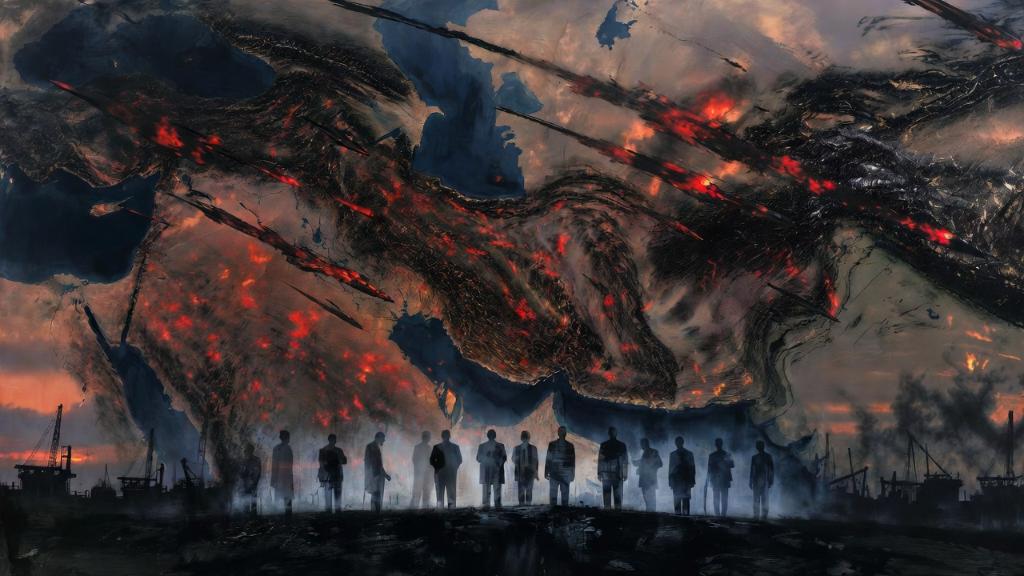
On the grand geopolitical stage, spotlights suddenly illuminate Tehran on February 28, 2026. Like a contemporary painting with dark tones and glowing red bursts, joint US-Israeli air strikes hit their main target: Supreme Leader Ali Khamenei, 86, killed in his office during a meeting, per concordant sources.
Iranian state media announce his 'martyrdom'. US President Donald Trump confirms the operation online, framing it as eliminating an imminent nuclear and ballistic threat. Reuters also reports the death of Armed Forces Chief Abdolrahim Mousavi. The canvas gains new strokes: Iran retaliates within hours with hundreds of missiles and drones targeting Israel, US bases and several Gulf states.
Explosions echo in Dubai near Jebel Ali port and in Doha. Sirens sound across Israel with successful interceptions. On March 1, Israel announces fresh strikes on Iranian missile infrastructure. Trump warns on Truth Social that further retaliation will meet unprecedented force.

Per Reuters, major airports like Dubai and Doha close or restrict traffic, causing unprecedented global aviation chaos. Gulf stock markets plunge. Tehran closes the Strait of Hormuz, suspending oil shipments. Al Jazeera highlights effects on Arab states hosting US assets, with missile debris injuring people in Qatar.
Treatment differs by region. Western sources (Reuters, BBC, CNN) describe strikes as defensive action against a threatening regime exploiting Iran's internal vulnerability. Al Jazeera, Arab perspective, emphasizes potential civilian victims and diplomatic betrayal, quoting Iran's UN ambassador calling strikes a war crime. Russian media (RT, TASS) label the attack as 'criminal aggression' by 'America and the Zionist regime', stressing national mourning. Chinese sources (Xinhua, SCMP) voice 'deep concern', urging restraint and noting global powers' division.
This sequence echoes human continuities of power cycles: empires and alliances reconfigure like layered abstract paint where paradoxes abound – security sought through force, stability threatened by a new order. No unverified information retained; exact civilian casualty figures await independent confirmation.
FAQ
Q: When and how did Khamenei die?
A: On February 28, 2026 in US-Israeli air strikes on his office, confirmed by Iranian and Western media.
Q: What were the immediate retaliations?
A: Iranian missiles on Israel and Gulf, new Israeli strikes, airport closures and Strait of Hormuz shutdown.
Q: What economic impacts observed?
A: Gulf stock drops, global flight chaos and oil price risks.