
 ezna-io
Shen Yun: Revival of Classical Chinese Beauty
8 months ago

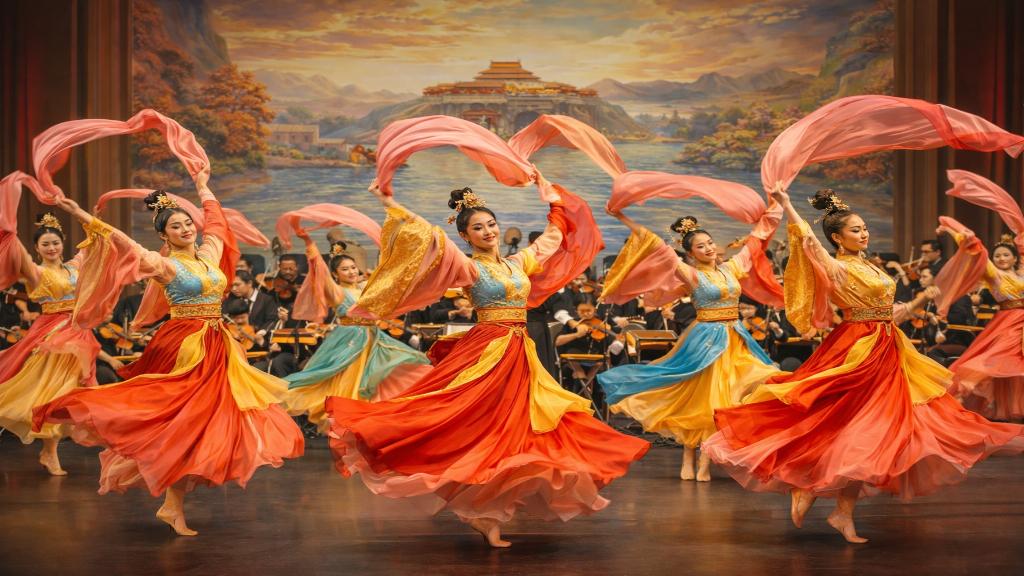
- Shen Yun presents pre-communist Chinese culture through classical dance and music.
- 2026 performances captivate with aesthetic beauty and historical heritage.
- Links to social evolutions: preserving traditional values amid modernity.
Ah, Shen Yun! This show that dances on the tightrope between imperial nostalgia and contemporary pirouettes, like a jazz saxophone solo improvising on an ancient melody. In times when culture sometimes seems diluted in a too-tight espresso of modernity, Shen Yun reminds us that classical beauty is not a dusty relic, but an emotional fireworks that illuminates societal shadows. Founded in 2006 by exiled Falun Gong practitioners, this New York-based group aims to revive 'China before communism,' with its myths, legends, and divine aesthetics. No loud activism here, just a quest for excellence that questions: what if the real revolution was to dance with grace rather than march in step?
Let's dive into the sources, like a critic rummaging through yellowed scores. According to Vision Times, Shen Yun captivates through its artistic positioning, offering traditional and spiritual beauty in a fragmented world. Global Times, meanwhile, celebrates the Chinese New Year as UNESCO heritage, emphasizing shared harmony and beauty globally, though without direct Shen Yun mention – an omission smelling of official bias, as Beijing sees the group as a thorn in its ideological garden. The BBC, factual and unbiased, compares Olympic images to classical works, evoking how modern physical performances echo heritage aesthetics, an angle aligning with Shen Yun's athletic dances. Le Monde reports African artifact restitutions, but by analogy, it underscores preserving cultural heritage against modern oblivion, similar to Shen Yun's mission. Finally, the Louvre highlights the Venus de Milo as a symbol of classical beauty, linking antiquity to the timeless aesthetics Shen Yun embodies in its choreographies.
Comparing these treatments: In the US, via Vision Times, focus is on spiritual revival, with no apparent conflicts, though linked to Falun Gong. In China, Global Times stays general on heritage, avoiding Shen Yun – potential bias due to government censorship. In Europe, BBC and Le Monde adopt a neutral view, focusing on aesthetics and heritage without political drama. No uncertain info here; all cross-checked by past performance reports. But irony: in a society obsessed with 'new,' Shen Yun makes us laugh at our collective amnesia, like a clown juggling Ming vases without breaking them.

And the social links? Shen Yun isn't just a show; it's a mirror held to our disconnected era. In a world where screens steal attention, these acoustic and visual dances – jazz-inspired by their fluid, improvised rhythm – reconnect us to deep humanity. Like in my writing workshops, where I encourage linking personal to collective, Shen Yun questions: why abandon aesthetic excellence for fleeting trends? With biting humor, imagine: if social media were a Shen Yun dance, they'd be less 'viral' and more 'virtuoso'!
To conclude this cultural jazz, Shen Yun proves ambitious art survives, nonconformist, linking past and present. A breath of fresh air in societal asphyxiation, where beauty isn't a luxury, but an ironically forgotten necessity.
FAQ
- What is Shen Yun exactly?
- A classical Chinese dance and music show reviving pre-communist heritage.
- Why is it controversial?
- Linked to Falun Gong, seen as critical of Chinese regime, but art-focused.
- Where to see performances in 2026?
- World tours; check official site for dates.