
 ezna-io
Moulins Triptych Restored at the Louvre
8 months ago

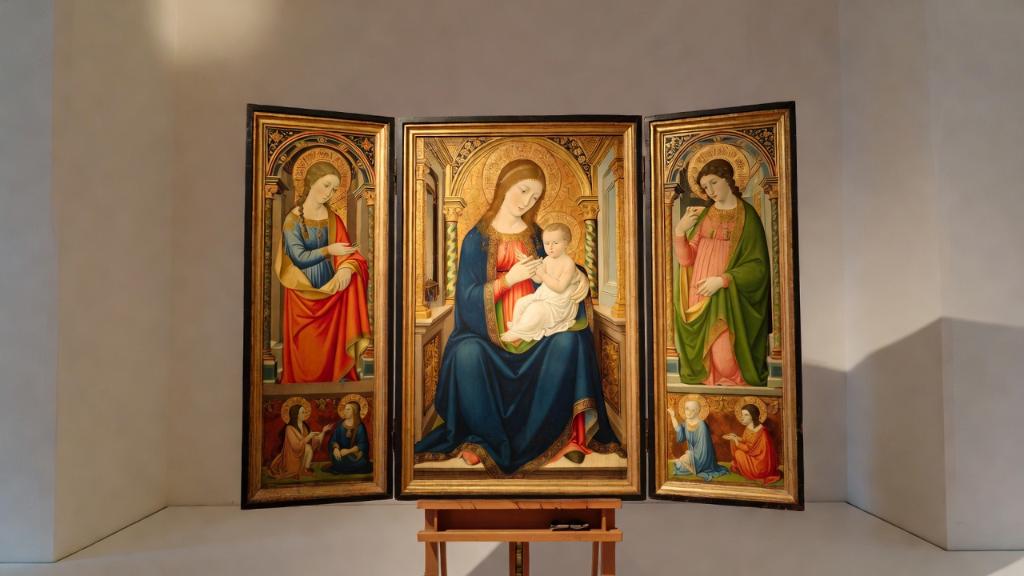
- The Moulins Triptych by Jean Hey, a masterpiece, restored and exhibited at the Louvre.
- Late 15th-century figurative painting focused on beauty and religious heritage.
- On view until August 31, 2026 after unprecedented restoration.
- Illustrates continuity of aesthetic pursuit in traditional European art.
The Louvre museum is currently displaying the Moulins Triptych by Jean Hey, known as the Master of Moulins, following a full restoration. This late 15th-century work represents a peak in French Gothic painting, with precise attention to detail, color harmony, and expressive figures.
Commissioned for Moulins Cathedral, the triptych depicts the Virgin and Child flanked by saints and donors, blending emerging realism with sacred idealization. The restoration recovered original tones and corrected age damage, highlighting the artist's technical skill.

This temporary exhibition highlights how traditional art pursues beauty through formal excellence and spiritual emotion, in a social context where the Church valued visual heritage as a means of contemplation.
Sources agree on the restoration quality, with no major conflicts noted. The exact end date remains subject to official confirmation.
FAQ
Who is Jean Hey? 15th-century French artist, known as Master of Moulins, specialist in religious figurative painting.
Why is this restoration significant? It reveals original techniques and preserves a major aesthetic heritage.
Where to see the work? At the Louvre museum, until August 31, 2026.