 ezna-io
Yemen: Why Saudi Arabia is maintaining military pressure
By Zoé Marquand
an hour ago

- Riyadh makes peace conditional on a political agreement with the Houthis.
- Defending Aden has overtaken retaking Sanaa as the immediate priority.
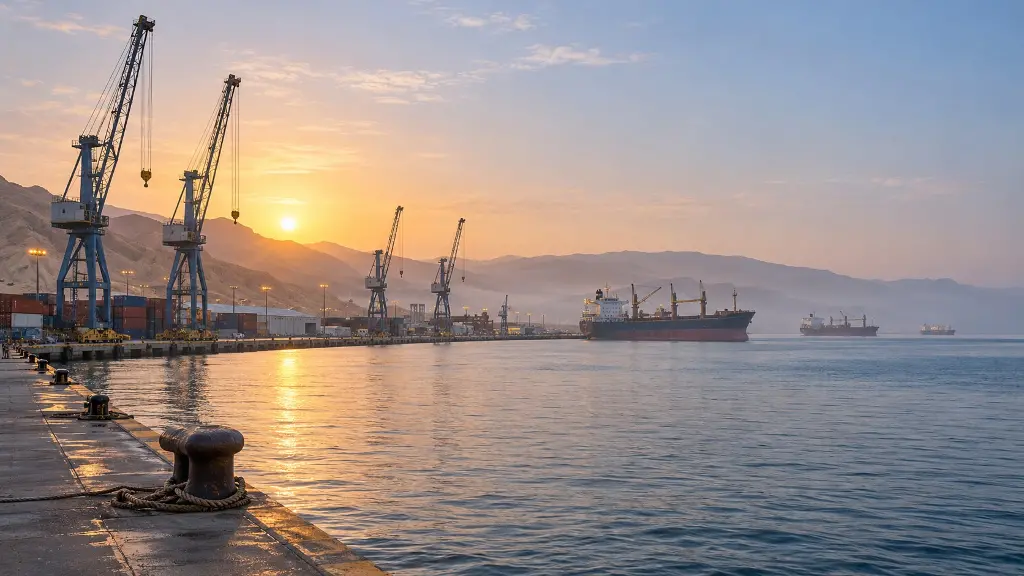
- Port infrastructure is central to the confrontation.
- No mutual ceasefire has been announced.
“The best solution is the political solution,” Saudi-led coalition spokesperson Major General Turki al-Maliki said in an interview conducted on November 27, 2026, and published by Reuters on November 29. He envisaged a rapid end to the war if the Houthis accepted a UN-backed roadmap, while maintaining military pressure. The offer sets no date for negotiations.
From Sanaa to Aden: revised objectives
The Iran-aligned Houthis seized Sanaa in 2014, before Saudi Arabia intervened in 2015. Their confrontation with Riyadh now forms part of a regional conflict involving Tehran, without establishing Iranian direction of every operation. Renewed fighting in July 2026, after several years of relative calm, put the internationally recognised government on the defensive. Reuters reports that protecting Aden and relieving the siege of Taiz now take precedence over retaking the capital. Al-Maliki ruled out sending Saudi ground forces into Yemen, an approach intended to limit Riyadh’s direct involvement.
According to Reuters, the Houthis want the kingdom to end its support for the Yemeni government, remove air and port restrictions, and pay financial compensation. These demands concern Riyadh’s political role, not merely a suspension of hostilities.
Ports: military pressure and civilian needs
On November 29, the coalition called on civilians to leave Ras Isa. Houthi-controlled broadcaster Al Masirah subsequently reported a strike on the fuel import terminal. The coalition announced retaliation without specifically confirming that attack. Reuters and AFP also reported Houthi threats against Saudi ports. Whether Ras Isa sustained damage, and its extent, remain independently unverified.
Imported fuel powers transport and electricity generators, among other uses. Prolonged disruption could therefore affect food distribution and essential services. On October 13, FAO forecast Yemen’s cereal import requirements at 5.2 million tonnes for 2026. It cited an IPC projection of 5.4 million people facing acute food insecurity at phase 3 or above during October–December in assessed government-controlled areas. This represents half the assessed population, including 1.8 million people in phase 4 (Emergency). FAO identifies reduced aid, weak purchasing power and displacement among the aggravating factors. These projections predate the November 29 events.

Saudi oil faces two maritime chokepoints
The East-West pipeline serving Yanbu on the Red Sea was designed to bypass Hormuz. CNA reports a maximum capacity of approximately 7 million barrels per day and documents its shutdown in September 2026. Associated Press confirmed on November 3 that flows had resumed. Actual throughput and full operational availability on November 29 remain unverified. Southbound shipments to Asia remain exposed to Bab el-Mandeb, while northbound routes offer another option.
On November 19, the EIA estimated that combined crude oil and petroleum product flows through Hormuz, Bab el-Mandeb and Suez/SUMED rose by 19% in the third quarter of 2026 compared with the second. Flows through Bab el-Mandeb nevertheless declined. This measure adds flows at different chokepoints rather than net exports: a cargo may be counted more than once. Recovery thus varies across routes. They establish no effect from the new November 29 threats.
Persistently deteriorating port security could increase freight and insurance costs and complicate Saudi diversification projects. The sources reviewed establish no additional costs directly attributable to the latest announcements.
Peace also requires an economic agreement
Commitments obtained through UN mediation in December 2023 included a nationwide halt to fighting and measures to improve living conditions. In February 2024, special envoy Hans Grundberg was already highlighting difficulties involving public sector pay, power outages and currency depreciation. Implementation therefore requires financial and administrative arrangements between rival authorities.
What the sources corroborate
Reuters documents Saudi objectives through an official interview. AFP, published by Lebanese outlet L’Orient Today, concentrates on port warnings. China’s state news agency Xinhua reports Houthi claims and the Saudi response of November 28, noting that claimed damage is unverified. Qatar’s Al Jazeera also emphasises humanitarian consequences, while Singapore’s CNA explains oil infrastructure constraints in its September analysis. These complementary perspectives do not constitute five independent confirmations of the same event: the belligerents’ statements come from interested parties.
The significance of Saudi Arabia’s offer will be measured by tangible results: reopened infrastructure, payment of public sector wages and a ceasefire monitoring mechanism accepted by the parties.
FAQ
Is peace imminent in Yemen?
No mutual agreement or negotiation timetable is announced in the material reviewed.
Why is Ras Isa important?
The terminal allows fuel imports into Houthi-administered areas.
Does the East-West pipeline eliminate maritime risk?
No. It bypasses Hormuz, but exports still depend on available infrastructure and shipping routes.